WINDOWS Evolution:
NEXT ONE ISSS......
(Literally the best one from all times)
WINDOWS XP:

Another great leap in the development and evolution of Microsoft's operating system occurred on October 25, 2001, when Windows XP was launched. The first version of the 21st century and that was a great success as it was a high quality product. A version that was built from the Windows NT kernel and that came in two different editions, Home and Professional.
In the visual aspect, it is necessary to highlight great improvements in the user interface, with new icons, menus and options that allowed users to deepen and control all kinds of tasks on the system much more. But not only did it stay in offering graphical improvements, but it also came with a great increase in speed and agility.

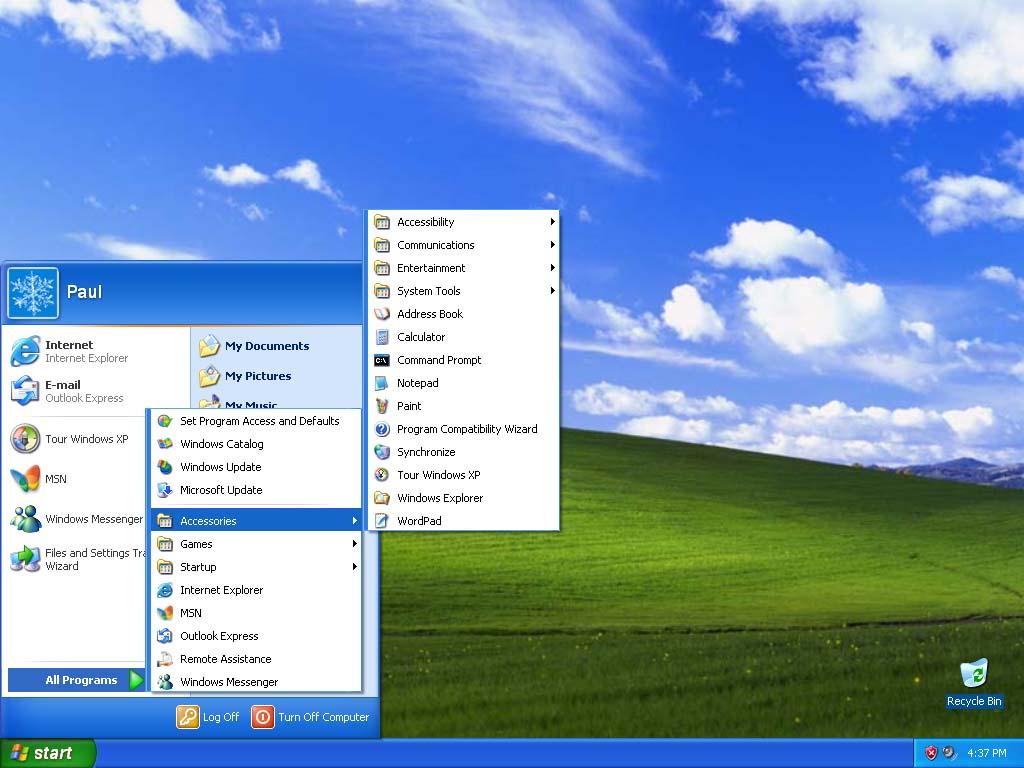
Windows XP introduced features such as system file encryption, support for WiFi networks, remote assistance and its 64-bit version, which caused an explosion in the market for operating systems. This version had a great acceptance being the majority edition of Windows in homes until 2012. It had standard support from Microsoft until April 14, 2009, while the extended support lasted until April 8, 2014.
From the best to the worst....
WINDOWS VISTA:


(Image of the GUI from Windows Vista)
WINDOWS 7:
On October 22, 2009, Microsoft announced the release of Windows 7 as a solution to the Windows Vista fialure and that it was one of the most important versions of Microsoft's operating system since the previous Windows XP. Something that has been portrayed in the history of the operating system, since it has been labeled as one of the most solid versions.
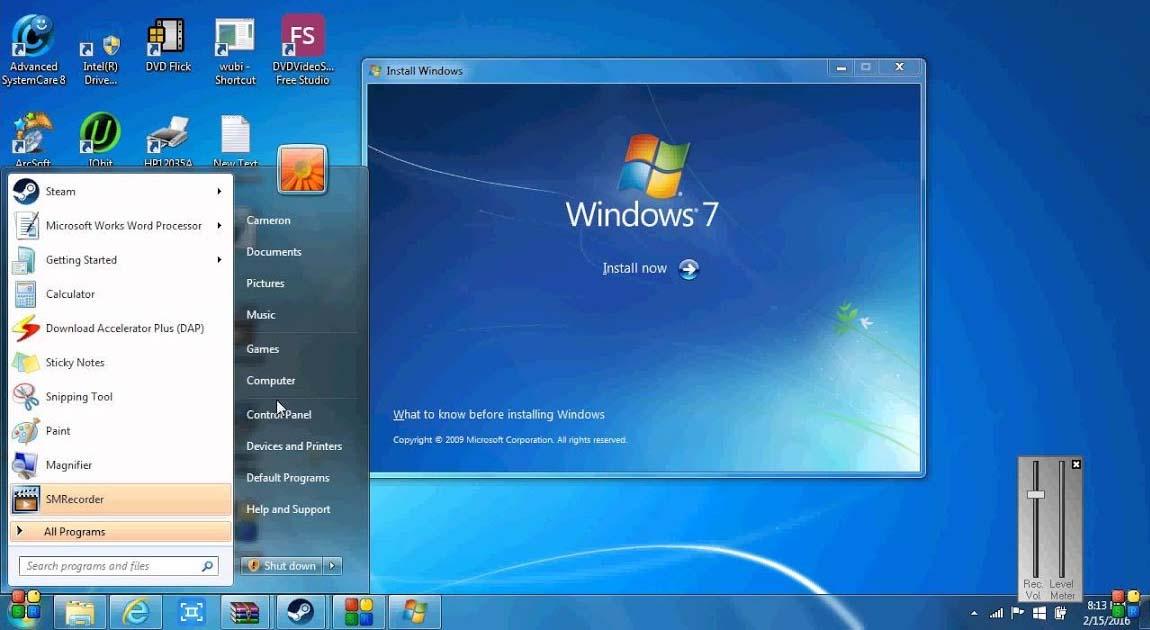
It added multi touch support, a redesigned Windows Shell, new taskbar, network system, performance and speed improvements and a reduction in resource consumption. In addition, it introduced the new design of the taskbar, making it wider, and a system with larger icons. Windows 7 standard support lasted until January 13, 2015, while extended support lasted until January 14, 2020.
We think this is.... TOP 2?

WINDOWS 8:

Almost three years later, on October 26, 2012, Windows 8 was released. A version that added support for ARM microprocessors and whose interface was modified to make it more suitable for use with touch screens, showing new flat effects for windows and buttons with a simple color.
This also meant the elimination of the classic Windows Start menu by Tiles, something that was not to the liking of the vast majority of users. For the first time since Windows 95, the operating system dispensed with one of the most important elements, such as the Windows Start button.
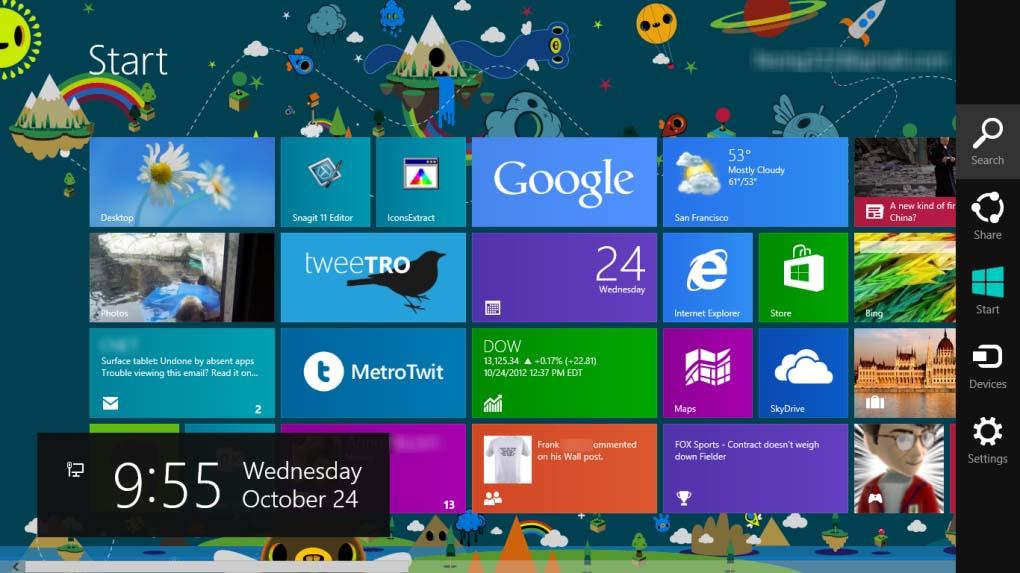

The low acceptance of the Metro interface by users led Microsoft to launch Windows 8.1 to try to respond to users who missed some traditional elements of the system and recovered some of the features.
WINDOWS 10:

It was on July 29, 2015 when Microsoft released the latest and long-awaited version of its operating system, Windows 10.
A version that has a great set of applications, a modern interface with great performance and that, in addition, is multiplatform. That is, it allows its use on computers and mobile devices.
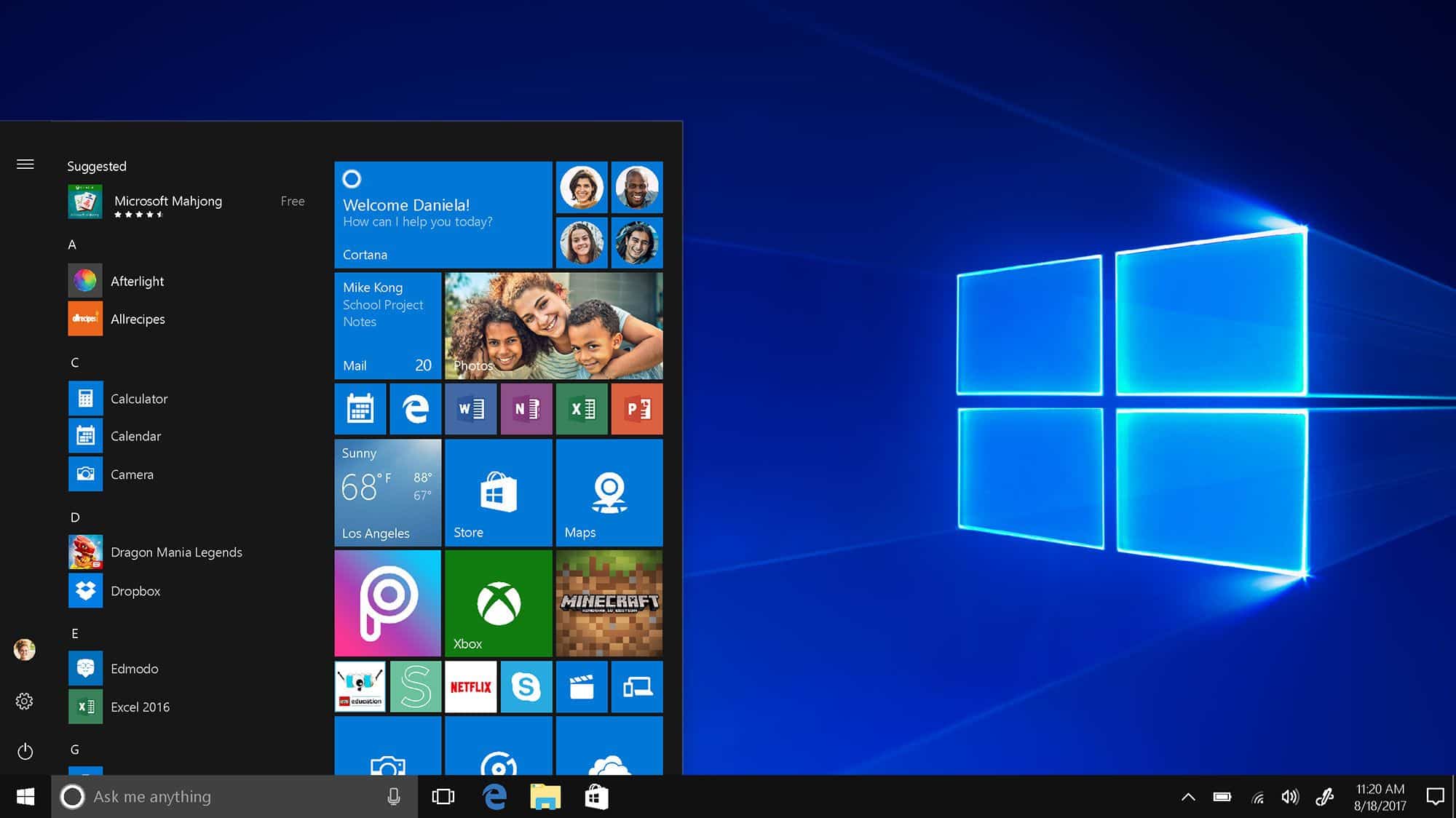
But they are not the only novelties, since it is also worth highlighting the use of universal applications, the new Internet Edge browser, the great prominence of its assistant Cortana, the new System Settings page, the TimeLine or the return of the Start menu that the vast majority of users longed for so much, among many other things. In short, for many, the best version of the system in history and a product that meets the current needs of users.


No hay comentarios:
Publicar un comentario